Poker Bots on Dedicated Servers: Infrastructure, Software and Real Risks
How server-hosted poker bots are built in 2026: Proxmox virtualisation, the main commercial bots compared, why rooms still catch them and what a ban costs.
Read more →PokerBros
In 2026 PokerBros added a visual check at the table that no autonomous bot can pass. Here is how it works, how effective it is and what honest players should know.
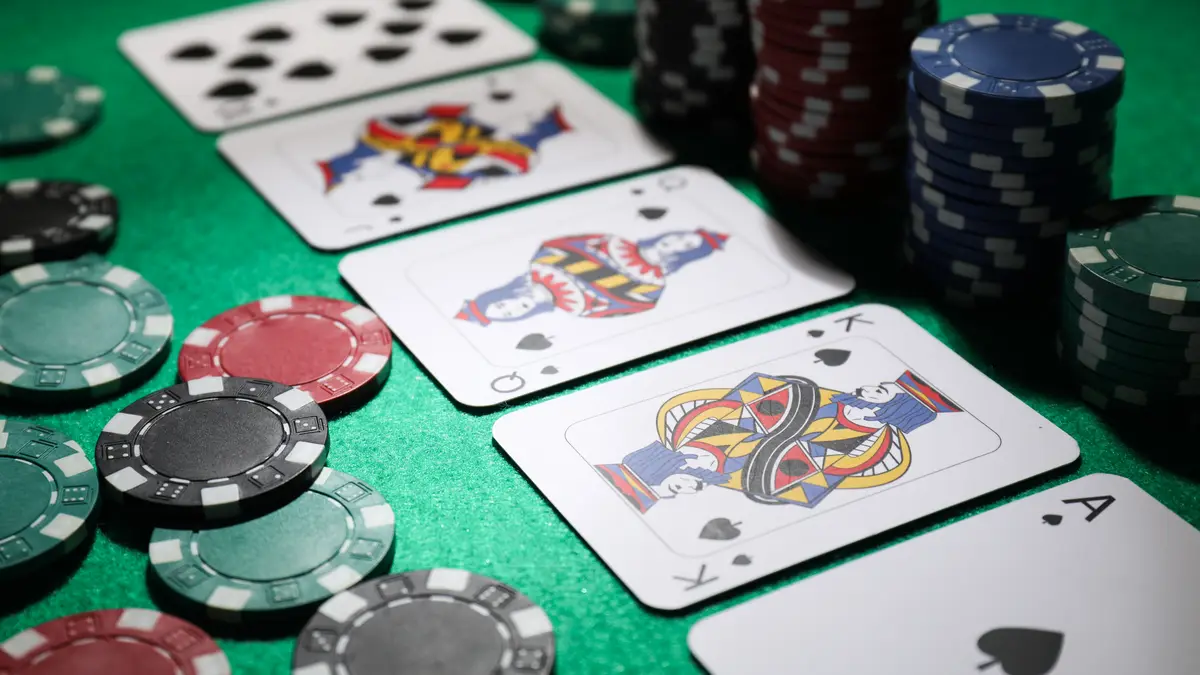
Poker rooms and club apps are locked in a permanent arms race with bots. On one side, automated players that grind around the clock without fatigue or tilt. On the other, security teams building ever more sophisticated detection. In early 2026 PokerBros added a new tool to that arsenal: Photo Rotation Verification, a visual check that cannot be completed without a human at the screen.
This article explains how the new system works, where it sits in the broader PokerBros security stack and what has actually changed for ordinary players. If you are new to the app, our full PokerBros app review covers the club model and the setup first.
In the table creation settings, a club owner can switch on Photo Rotation Verification. Once enabled, every player who wants to sit down goes through a short procedure:
It is a variant of the graphical CAPTCHA, adapted to the poker context.
The system activates in two situations:
The second scenario is the important one. Even if a bot somehow gets through the initial check, a repeat prompt mid-session forces the operator to babysit the process constantly, which cancels the whole point of automation.
| Parameter | Detail |
|---|---|
| Check type | Graphical CAPTCHA (image rotation) |
| Time limit | 15 seconds |
| Triggers | Seating plus random in-game checks |
| On failure | Blocked from the table or kicked from the current hand |
| Configured by | The club owner, per table |
Classic poker bots run fully autonomously: they read the screen, decide through an algorithm or a neural network and send clicks. Photo Rotation breaks that autonomy at three points:
CAPTCHAs at poker tables existed before. GGNetwork, for example, periodically asks players to confirm presence by clicking on objects. Bringing this kind of system to a mobile club app is a step forward for three reasons:
Despite its effectiveness, the feature has weak spots:
Photo Rotation is one layer. The heavy lifting is done by Game Integrity BROS (GIB), the in-house PokerBros security department.
GIB's toolkit:
Photo Rotation works in tandem with the other measures:
| Layer | What it does | Who it catches |
|---|---|---|
| Photo Rotation Verification | Graphical CAPTCHA | Simple autonomous bots |
| Live Alerts Engine | Real-time pattern analysis | Collusion, soft-play, chip dumping |
| GIB ML models | Statistical anomaly detection | Advanced bots, bot farms |
| RNG and certificates | Guarantee of a random deal | Card manipulation |
| Player reports | Manual review of suspicious accounts | Anything the automation missed |
For a sense of what the models are up against, our explainer on server-hosted poker bots describes the infrastructure and software the security team is trying to detect.
The system targets automated players, but false positives happen. A checklist:
Advice
If you regularly play long sessions, take breaks. It is good for your game and it keeps you out of the automatic GIB flags.
How server-hosted poker bots are built in 2026: Proxmox virtualisation, the main commercial bots compared, why rooms still catch them and what a ban costs.
Read more →
The Fiverr poker bot market in 2026: what is sold, price tiers from $80 to $5,000, four risks buyers ignore and legal alternatives that improve results.
Read more →